
The Best VPN Router for Enhanced Security and Performance in Your Home Network
Understanding VPN Routers
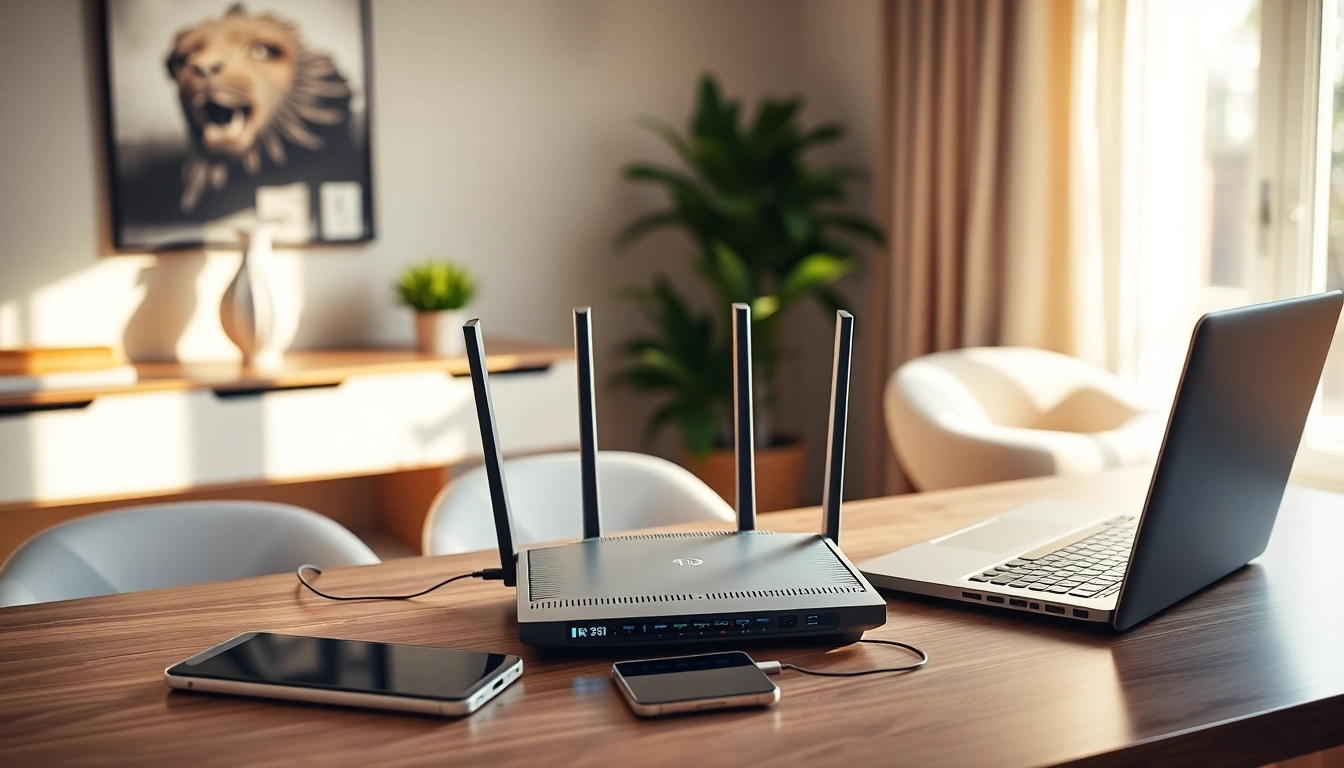
In an increasingly digital world, security is paramount. A VPN router is a solution that offers a robust way to secure your internet connection. By utilizing a VPN router, you can protect multiple devices on your home or office network simultaneously. If you’re seeking more information about configuring your network securely, a best vpn router is a great starting point.
What is a VPN Router?
A VPN router is a router configured to connect to a VPN service. Unlike standard routers, which relay internet data without encryption, a VPN router encrypts your data and protects your online activities by creating a secure tunnel. This means every device that connects to this router benefits from the security enhancements provided by the VPN service.
How Does a VPN Router Work?
VPN routers work by routing all internet traffic through a VPN server. They perform the encryption and decryption processes on behalf of connected devices, enabling users to surf the internet securely and privately. When you connect to the internet through a VPN router, your real IP address is masked, and your data is transferred over a secure connection, making it difficult for anyone to intercept or monitor your online activities.
Benefits of Using a VPN Router
There are numerous benefits to employing a VPN router:
- Protection for Multiple Devices: A single VPN router can safeguard all devices connected to your network, from smartphones to smart TVs.
- Improved Privacy: with encryption and anonymization, it helps protect against ISP tracking and potential data theft.
- Bypass Geo-Restrictions: Access content from different geographical locations without being subjected to local censorship.
- Enhanced Security: Protect your home network from unwanted access and cyber attacks.
Choosing the Best VPN Router
Key Features to Consider
When searching for the best VPN router, several key features must be on your checklist:
- VPN Compatibility: Ensure the router is compatible with the VPN service you intend to use.
- Speed Performance: Look for routers that offer high processing speeds to handle encryption without lag.
- Security Protocols: Opt for routers that support advanced protocols like OpenVPN, IKEv2, or WireGuard.
- Number of Connections: Check how many devices the router can support simultaneously through the VPN.
Comparing Price Ranges
The price of VPN routers can vary significantly based on features and performance:
- Budget Models: These can range from $50 to $100, suitable for basic VPN usage.
- Mid-Range Models: Typically cost between $100 and $250, offering better performance and security.
- High-End Models: Priced above $250, these routers provide exceptional speed and additional features for heavy users.
Best VPN Router for Different Needs
Depending on your specific usage, different routers may suit your needs:
- For Gamers: A router with low latency and high speed is essential.
- For Families: Look for a model that supports multiple connections for simultaneous use.
- For Remote Workers: Consider routers with strong security features to protect sensitive work data.
Setting Up Your VPN Router
Step-by-Step Installation Guide
Setting up a VPN router can seem daunting, but following these steps can simplify the process:
- Connect the Router: Plug in your router and connect it to your modem using an Ethernet cable.
- Access Router Settings: Open a web browser and enter the router’s IP address to access its settings panel.
- Configure VPN Settings: Input your VPN credentials and server information as provided by your VPN service.
- Finalize and Test: Save the settings and restart the router, then check if you can connect to the VPN.
Configuration for Optimal Performance
To ensure that your VPN router operates effectively, consider these configuration tips:
- Choose the Right VPN Protocol: Different protocols offer various benefits; select one that suits your needs.
- Optimize Bandwidth: Use Quality of Service (QoS) settings to prioritize bandwidth for essential devices.
- Regularly Update Firmware: Keep your router firmware updated to protect against vulnerabilities.
Troubleshooting Common Issues
If you encounter problems while using your VPN router, here are common solutions:
- Connection Issues: Restart both the router and device or check VPN configurations.
- Slow Internet Speeds: Ensure the router is not overloaded with too many connections; reduce them if necessary.
- Accessing Restricted Content: Verify that the VPN connection is established and you’re connected to the correct server.
Maintaining Your VPN Router
Regular Firmware Updates
Keeping your router’s firmware up to date is essential for optimal performance and security. Manufacturers often release updates that address vulnerabilities and improve functionality. Regular checks on the manufacturer’s website or the router’s admin panel can help ensure that you are running the latest version.
Monitoring Network Performance
To maintain excellent connectivity, regularly monitor your network performance. Use apps or software to check the speed, stability, and the number of devices connected. This habit not only helps in spotting slowdowns but also in ensuring no unauthorized devices access your network.
Advanced Security Features to Implement
Enhancing your router’s security goes beyond just using a VPN. Consider enabling features such as:
- Firewall Settings: Activate built-in firewall features to add another layer of protection.
- Guest Networks: Create a separate network for guests to minimize security risks.
- Disable WPS: This feature can make your network vulnerable; disable it for enhanced security.
FAQs About VPN Routers
What is the best vpn router for gaming?
Look for a router with low latency and high-speed support, such as dual-band options that can handle heavy data traffic efficiently.
Can I use a VPN router with any VPN service?
Yes, most routers can be configured with any VPN service that provides the necessary settings and compatibility information.
Do VPN routers slow down internet speed?
While there might be minor speed reductions due to encryption, a high-quality router will minimize this impact significantly.
How many devices can connect to the best vpn router?
The number of devices varies by router model; some can support upwards of 30 devices efficiently.
Are VPN routers easy to set up?
While setup can be tech-intensive, many routers come with user-friendly interfaces and guides to assist with installation.