
Mastering the Art of Sports Broadcasting: Techniques, Trends, and Tips
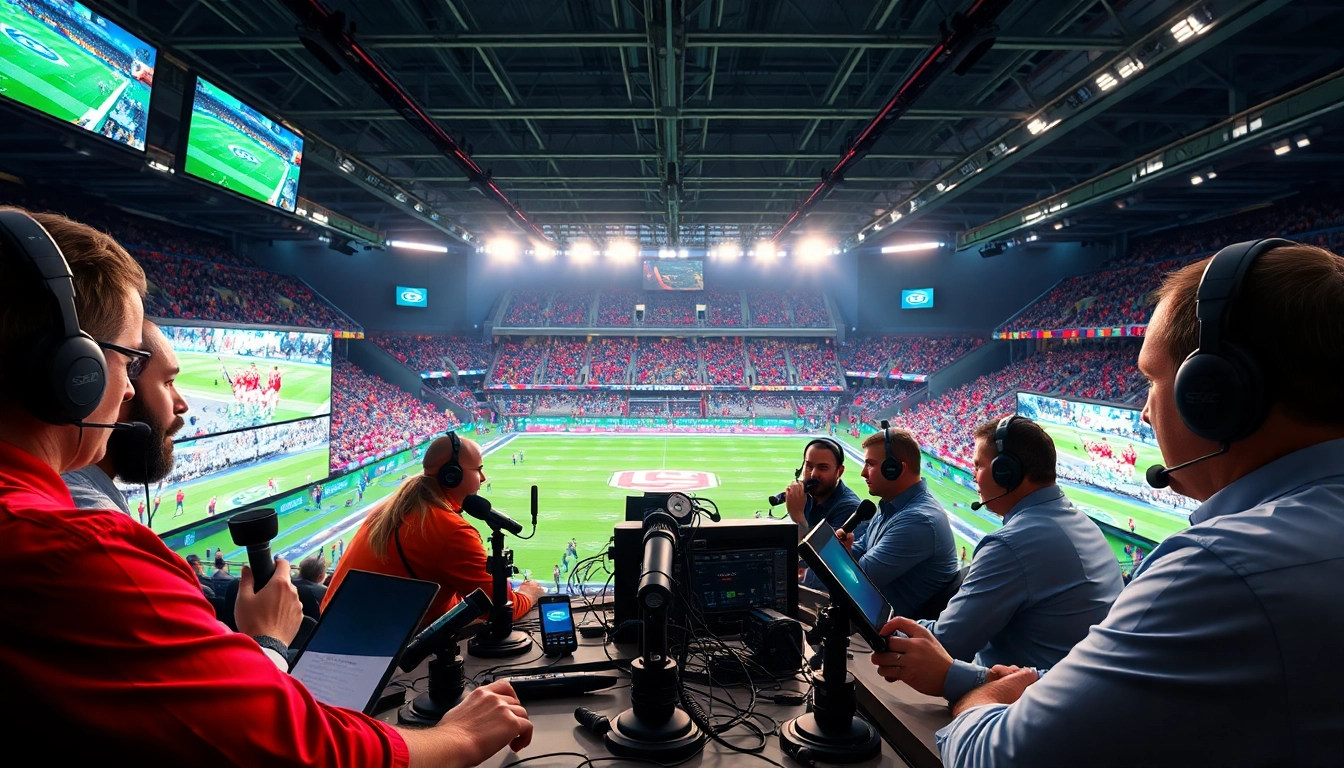
Understanding Sports Broadcasting
Definition and Importance of Sports Broadcasting
Sports Broadcasting is the dissemination of sports events and related content to audiences via television, radio, and online platforms. It plays a crucial role in shaping the sports culture by providing fans with access to live events, expert analysis, and relevant news. The ability to connect viewers with their favorite sports and athletes fosters community, igniting passion and supporting the economic ecosystem surrounding sports. Engaging with the audience through compelling storytelling ensures that sports remain an integral part of daily life for millions around the globe. Platforms specializing in Sports Broadcasting create opportunities for increased fan engagement, merchandise sales, and advertising revenue.
The Evolution of Sports Broadcasting
Over the decades, sports broadcasting has undergone significant transformations. Initially, radio served as the primary medium, delivering exciting live commentary that created vibrant visual imagery in the minds of fans. The introduction of television revolutionized the way audiences consumed sports, allowing them to watch their favorite teams compete directly from their living rooms. In the 21st century, the advent of the internet and mobile technology has paved the way for streaming services, granting fans unprecedented access to live sports across various devices. Moreover, social media has introduced new ways to interact with content, users, and brands, further enriching the broadcasting landscape.
Key Roles in Sports Broadcasting
Various professionals contribute to the success of sports broadcasting. Commentators provide real-time play-by-play coverage, while analysts offer expert insights into strategies, statistics, and player performance. Sports producers coordinate the technical aspects of the broadcast, including camera work and graphics, ensuring a seamless viewer experience. Behind the scenes, researchers and writers curate content that engages audiences through storytelling, building narratives that enhance the excitement of live sports. Each role plays a vital part in creating a more engaging viewing experience.
Techniques for Effective Sports Broadcasting
Engaging Storytelling Methods
Storytelling is a cornerstone of effective sports broadcasting. Broadcasters must weave narratives that resonate with audiences, capturing the drama and intensity of each matchup. This can include player backstories, historical rivalries, and defining moments that shape the game. By appealing to the audience’s emotions, broadcasters can enrich the viewing experience, making it more memorable. Incorporating interviews, behind-the-scenes content, and expert analysis can also add depth to the narrative, inviting viewers to connect with the sport on a personal level.
Technical Skills for Broadcasters
Technical proficiency is essential for sports broadcasters. Understanding the ins and outs of audio and camera equipment is crucial for delivering high-quality broadcasts. Broadcasters should also be adept at using graphics and data presentation tools, presenting statistics and visual content that enhance the storytelling process. Familiarity with remote broadcasting equipment and software is vital, especially in today’s environment where many broadcasts may be conducted from various locations rather than a centralized studio.
Live Reporting Skills
Being able to report live events accurately and engagingly is essential for any sports broadcaster. This involves not only relaying information quickly but also maintaining clarity under pressure. The ability to improvise during unexpected events—like sudden injuries, weather changes, or other unforeseen issues—can make all the difference during a broadcast. Keeping a calm demeanor, while also expressing the excitement of the moment, helps to engage the audience and maintain their interest throughout the event.
Trends Shaping the Future of Sports Broadcasting
Emergence of Streaming Platforms
The rise of streaming platforms has dramatically shifted the landscape of sports broadcasting. Services like digital platforms now provide fans with on-demand access to a variety of sports content, often customized to individual preferences. These platforms not only feature live events but also offer highlights, replays, and exclusive behind-the-scenes content. The flexibility of streaming services allows fans to watch games on their own schedules, ensuring that sports broadcasting adapts to the viewing habits of modern audiences.
Interactive Viewer Experiences
Future sports broadcasting will increasingly emphasize interactive experiences. Innovations such as real-time polls, viewer voting, and augmented reality (AR) elements in broadcasts encourage deeper viewer engagement. Fans may be able to choose different camera angles, access detailed statistics on players, or interact with commentators in real time. This shift towards a more immersive viewing experience enhances the connection between fans and the sport, making broadcasts more enjoyable and personalized.
AI and Technology Integration
Artificial intelligence (AI) and advanced technology are reshaping sports broadcasting by providing data analysis and enhancing production quality. Machine learning algorithms can analyze vast amounts of data to generate insights about player performance, team strategies, and game outcomes. Additionally, AI-generated content can assist broadcasters in creating more relevant segments, predicting viewer preferences, and providing personalized viewing experiences. As the technology evolves, broadcasters who effectively integrate AI into their strategies will gain a competitive edge.
Audience Engagement in Sports Broadcasting
Building a Loyal Viewer Base
Establishing a loyal audience requires consistency and quality in broadcasting. Networks must commit to providing coverage that resonates with their target demographic, employing strategies to enhance viewer experience. This includes not only top-tier content but also interactive features that encourage loyalty, such as viewer-exclusive events, loyalty programs, or merchandise incentives. Engaging with the audience through various channels—such as social media, live chat, or community forums—can help strengthen the bond between the broadcaster and its viewers.
Utilizing Social Media
In the digital age, social media is a powerful tool for boosting audience engagement. Platforms like Twitter, Instagram, and Facebook allow broadcasters to disseminate real-time updates, highlights, and news. Engaging directly with fans through social media can also humanize the brand, fostering a deeper connection with the audience. Announcements, contests, and behind-the-scenes access shared via social platforms can draw in a wider audience, making them feel a part of the sports community.
Feedback Mechanisms and Adaptation
Listening to audience feedback is crucial for growth and improvement in sports broadcasting. Utilizing surveys, social media comments, and engagement metrics can provide valuable insights into what works and what does not. Broadcasters should be willing to adapt based on this feedback, implementing changes that cater to viewer preferences while keeping the core content intact. By continually evolving, sports broadcasters are better positioned to meet the needs and expectations of their growing audience.
Measuring Success in Sports Broadcasting
Key Performance Indicators
To gauge the effectiveness of a sports broadcasting strategy, it is essential to establish Key Performance Indicators (KPIs). Metrics such as viewer ratings, audience engagement levels, and online interactions with content provide insight into performance. Tracking ad revenue and sponsorship deal values also serves as a measure of commercial success. Additionally, understanding demographic reach and viewer retention rates informs how well a broadcasting strategy resonates with its target audience.
Analyzing Audience Ratings
Audience ratings represent one of the most critical metrics in sports broadcasting. Analyzing viewer data helps networks understand which broadcasts are popular and why. Factors such as time slots, lead-in programming, and event significance play significant roles in ratings. Networks can use this information to schedule future broadcasts more effectively, ensuring they maximize their audience while identifying trends in viewership.
Impact of Sponsorship and Advertising
Sponsorship and advertising are essential components of successful sports broadcasting. The right partnerships can enhance the broadcast experience while providing necessary revenue streams. Evaluating the effectiveness of ad placements, sponsorships, and promotions offers insights into how well they connect with the audience. Adjusting strategies based on audience responses to ads can lead to higher engagement and increased revenue for broadcasters.
FAQs About Sports Broadcasting
What is Sports Broadcasting?
Sports Broadcasting involves the live transmission of sports events to audiences through television, radio, and online platforms, creating engagement and accessibility for fans.
How has Sports Broadcasting evolved?
Sports Broadcasting has transitioned from radio broadcasts to television, and now to streaming services and social media, providing fans with more access and interactive experiences.
What roles are involved in Sports Broadcasting?
Key roles include commentators, analysts, producers, researchers, and writers, each contributing uniquely to the quality and engagement of broadcasts.
What are some trends in Sports Broadcasting?
Current trends include the rise of streaming platforms, interactive viewer experiences, and integration of AI technology, reshaping how fans experience sports.
How do broadcasters measure success?
Success can be measured through audience ratings, engagement metrics, ad revenue, and partnerships, providing insights into performance and viewer preferences.