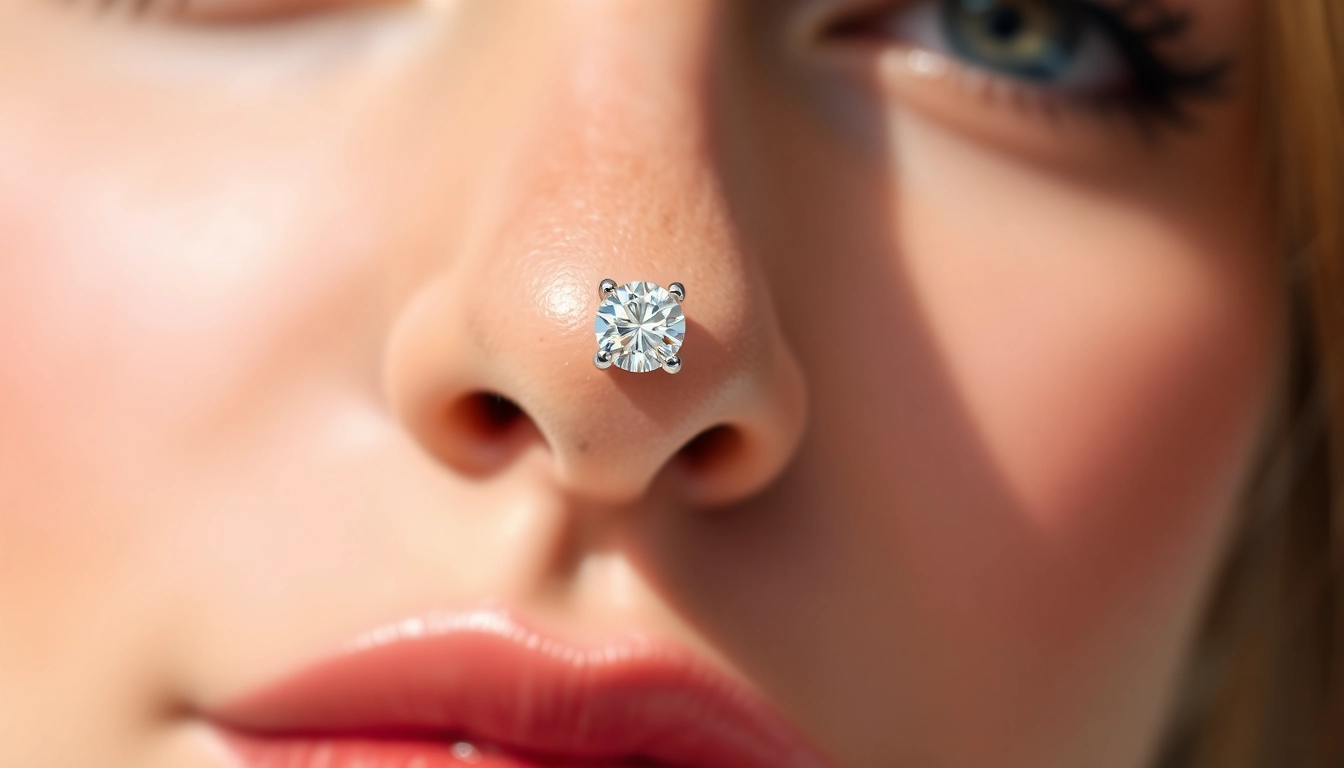
What Pros Know About Ethical Jewellery UK That You Don’t: Expert Insights for 2026

Understanding Ethical Jewellery: What It Means for Consumers
In today’s market, consumers are increasingly aware of the choices they make, especially when it comes to fashion and accessories. Ethical jewellery has become a focal point for those seeking to align their purchases with their values. But what does ethical jewellery truly mean, and how does it impact both consumers and the artisans who create these beautiful pieces? Understanding the nuances of ethical jewellery allows shoppers to make informed decisions while contributing to a more sustainable future. When exploring options, ethical jewellery uk offers comprehensive insights into what to look for in terms of materials, craftsmanship, and brand transparency.
Defining Ethical Jewellery
Ethical jewellery refers to pieces crafted with considerations for social, environmental, and economic impacts. At its core, ethical jewellery prioritizes fair trade practices, ensuring artisans are compensated fairly while using sustainable materials. This includes the use of recycled metals, conflict-free gemstones, and non-toxic finishing processes. The goal is to provide consumers with beautiful pieces that do not carry the burden of unethical practices in their production.
The Importance of Sustainable Practices
In the jewellery industry, sustainability is vital for protecting natural resources and minimizing waste. This involves more than just the materials used; it encompasses the entire lifecycle of the product. From sourcing raw materials responsibly to ensuring that the production process is environmentally friendly, sustainable practices help reduce the negative impacts of mining and manufacturing. Brands that commit to sustainability often engage in initiatives such as reforestation, carbon offsetting, and community support, thereby making a positive impact on the planet alongside providing stunning jewellery.
How Ethical Jewellery Supports Local Artisans
Purchasing ethical jewellery often means supporting local artisans and craftspeople who rely on their skills and creativity for their livelihood. Many ethical brands are dedicated to preserving traditional craftsmanship and ensuring that the artisans receive fair wages and working conditions. This support not only helps these individuals but also promotes cultural heritage and craftsmanship, allowing unique stories and designs to flourish in the market. By choosing ethical jewellery, customers can contribute to sustainable economies that empower communities globally.
Key Features of Ethical Jewellery in the UK
When searching for ethical jewellery in the UK, several key features distinguish these pieces from conventional jewellery. Understanding these elements allows consumers to identify products that truly align with their values and support sustainable practices.
Materials Used in Ethical Jewellery
One of the standout features of ethical jewellery is the materials used. Many brands prioritize recycled metals, which reduce the need for new mining operations, thus conserving natural resources and minimizing environmental degradation. Additionally, ethical jewellery often incorporates lab-grown or responsibly sourced gemstones, ensuring they are free from conflict and have a lower environmental impact. Materials such as organic cotton or upcycled materials may also be used in the packaging, reinforcing the brand’s commitment to sustainability.
Craftsmanship and Design Philosophy
Ethical jewellery brands usually emphasize unique craftsmanship and design philosophy, blending traditional techniques with contemporary aesthetics. This not only results in distinctive pieces but also ensures that artisans’ skills are showcased. The design process often involves collaboration with the artisans, allowing for a greater understanding of the materials and cultural significance behind each piece. This approach resonates with consumers who appreciate the story and craftsmanship behind their jewellery.
Environmental Impact and Certifications
Many ethical jewellery brands seek certifications to verify their commitment to sustainable practices. These certifications may include Fairtrade, the Responsible Jewellery Council, or certifications related to environmental protection. By providing evidence of their ethical standards, brands can build trust with consumers and foster a transparent shopping experience. Understanding these certifications can empower consumers to make choices that are both beautiful and responsible.
Comparing Ethical Jewellery Brands: Finding the Best
With the rise of ethical jewellery, countless brands have emerged, each claiming to offer sustainable and ethical pieces. However, discerning the best options requires careful consideration of various factors.
How to Assess Brand Transparency
Brand transparency is crucial in the ethical jewellery market. Consumers should look for brands that openly share information about their sourcing, production processes, and practices. This includes details on material origins, treatment of workers, and environmental impact. Brands that provide clear information about their practices tend to build stronger relationships with their customers, fostering loyalty and trust.
Evaluating Customer Reviews and Ratings
Customer reviews and ratings can offer valuable insights into the quality and ethics of a brand. Potential buyers should take the time to read through feedback, focusing on comments regarding the quality of the jewellery, the buying experience, and the brand’s overall ethical practices. This can help gauge whether a brand lives up to its claims and provides value for the money spent.
Price Comparisons: Value vs. Cost
While ethical jewellery often comes with a higher price tag due to the use of sustainable materials and fair trade practices, it’s essential to evaluate the value provided. Comparing price points across brands can highlight differences in quality, craftsmanship, and ethical commitments. Consumers should consider what they are willing to invest in terms of both finances and ethics, understanding that higher costs can reflect both quality and ethical practices.
How to Care for Your Ethical Jewellery
Once you have invested in ethical jewellery, proper care is essential to ensure its longevity and beauty. Maintaining these pieces can help preserve their quality and, by extension, the environmental and ethical principles behind them.
Maintenance Tips for Longevity
To extend the life of ethical jewellery, regular maintenance is vital. This includes avoiding exposure to harsh chemicals or environments that can cause damage. For instance, removing rings and bracelets before washing hands or swimming can prevent tarnishing or corrosion. Regular inspections for loose stones and wear can also help catch potential issues early.
Storage Solutions to Preserve Quality
Jewellery should be stored appropriately to prevent scratches and tangles. Using a soft cloth to wrap pieces individually or placing them in a fabric-lined jewellery box can help protect them from damage. Keeping them away from direct sunlight and humidity also aids in preserving their condition.
Cleaning Methods for Different Materials
Each material in ethical jewellery may require different cleaning methods. For instance, sterling silver can be polished with a soft cloth to restore its shine, while gemstones may require a more gentle approach using mild soap and water. Always consult care instructions provided by the brand to ensure the best practices for maintaining the beauty of your jewellery.
The Future of Ethical Jewellery in 2026 and Beyond
The ethical jewellery market is anticipated to continue evolving, driven by consumer demand for transparency and sustainability. As awareness of environmental and social issues grows, ethical practices are expected to become more mainstream in the jewellery industry.
Emerging Trends in Sustainable Fashion
By 2026, emerging trends in sustainable fashion are predicted to include increased use of innovative materials, such as bio-sustainable options that reduce environmental impacts. Additionally, advancements in technology may pave the way for more efficient recycling processes in jewellery manufacturing, making it easier for brands to remain sustainable while meeting consumer demands.
Consumer Demand and Market Predictions
Consumers are becoming more educated about the implications of their purchases. As a result, the demand for ethical jewellery is set to rise, with new brands entering the market and established ones improving their practices. This shift will not only benefit consumers seeking sustainable options but also encourage brands to maintain high ethical standards.
Innovative Practices on the Horizon
With the growing focus on sustainability, innovative practices such as circular jewellery design may become commonplace. This involves designing pieces that can be returned and recycled, reducing waste and encouraging responsible consumption. Brands that adopt such strategies will likely appeal to environmentally conscious consumers looking for quality and integrity in their purchases.
Frequently Asked Questions About Ethical Jewellery UK
What makes jewellery ethical?
Jewellery is considered ethical when it is produced without exploiting workers or harming the environment. This includes using recycled materials, ensuring fair labor practices, and contributing to sustainable development.
Where can I buy ethical jewellery in the UK?
There are numerous online platforms and local boutiques that specialize in ethical jewellery. Researching brands that prioritize transparency and sustainability is crucial to finding quality pieces.
How is ethical jewellery made?
Ethical jewellery is made using sustainable practices, which often involve sourcing materials responsibly, ensuring fair wages for artisans, and employing environmentally friendly production techniques.
Are there affordable options for ethical jewellery?
Yes, many brands offer affordable ethical jewellery options. It’s essential to compare prices and consider the value of supporting sustainable practices when making a purchase.
What is the environmental impact of ethical jewellery?
The environmental impact of ethical jewellery is generally lower than conventional jewellery. Sustainable practices help reduce resource extraction, promote recycling, and minimize waste, contributing to a healthier planet.